An Ireland tour should leave room for the journey itself: a coastal walk, an unhurried lunch and a music session that lasts longer than expected. For a first visit, our recommended starting point is seven nights combining Dublin, County Clare and Kerry. Ten nights creates space for Galway and Connemara; twelve can include Belfast and the Causeway Coast, with a substantial north-to-west travel day.
The best route depends on your arrival airport, season and interests, not on how many landmarks can fit on a map. Britatlas can build a private Ireland holiday around hotels, a suitable vehicle, agreed guiding and pre-booked experiences. Couples, families and friends can travel at their own pace; agency clients and small groups can request coordinated rooming and transport.
Which type of Ireland tour suits you?
- Private chauffeur tour: a flexible route without driving yourself, with stops and hotel choices agreed in advance. Confirm whether your driver also provides commentary and where specialist guides are needed.
- Self-drive holiday: suitable if you enjoy independent travel and are comfortable with left-side driving, narrow rural roads, parking and luggage handling. Hotels and timed visits still benefit from advance planning.
- Escorted group tour: an operator’s scheduled departure with a set route and shared transport. Compare group size, hotel locations, free time and included visits rather than the headline price alone.
- Car-free city break: combine Dublin or Galway with selected day excursions and rail or bus journeys. Do not assume public transport connects every coastal viewpoint conveniently.
For private travel, specify the number of passengers and suitcases, daily vehicle hours and the level of guiding. A comfortable touring vehicle is not the same as an airport-transfer car, and a driver is not automatically a guide inside museums or historic properties.
The places to include in your Ireland itinerary
Dublin: culture before the coast
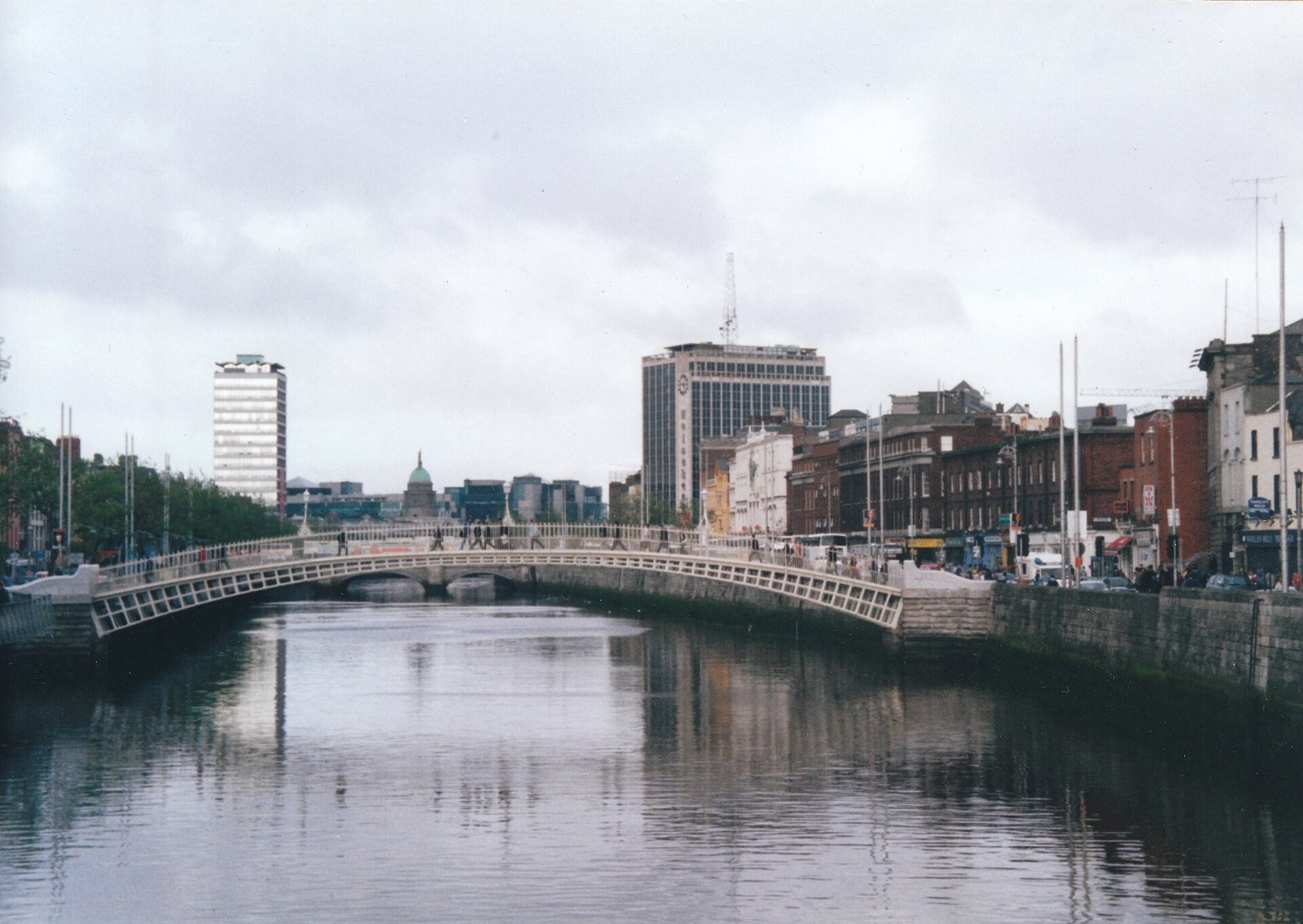
Start with two nights in Dublin if your flight schedule allows. A guided walk can connect Georgian streets, Trinity College’s Book of Kells experience, Dublin Castle and the Chester Beatty collections without trying to cover everything on arrival day. Choose a central hotel if restaurants and evening walks matter more than a large resort setting. Reserve your priority ticketed visits rather than relying on walk-up availability.
Galway and Connemara: a western base
Galway combines a walkable centre with access to County Galway’s landscapes. Stay several nights rather than treating Connemara as a quick stop between cities. A dedicated day can focus on scenery and villages, with an optional scheduled attraction visit. Aran Islands excursions need separate time and transport planning: ferry conditions, sailing schedules and the mainland departure point determine what is realistic.
County Clare: Cliffs of Moher and the Burren
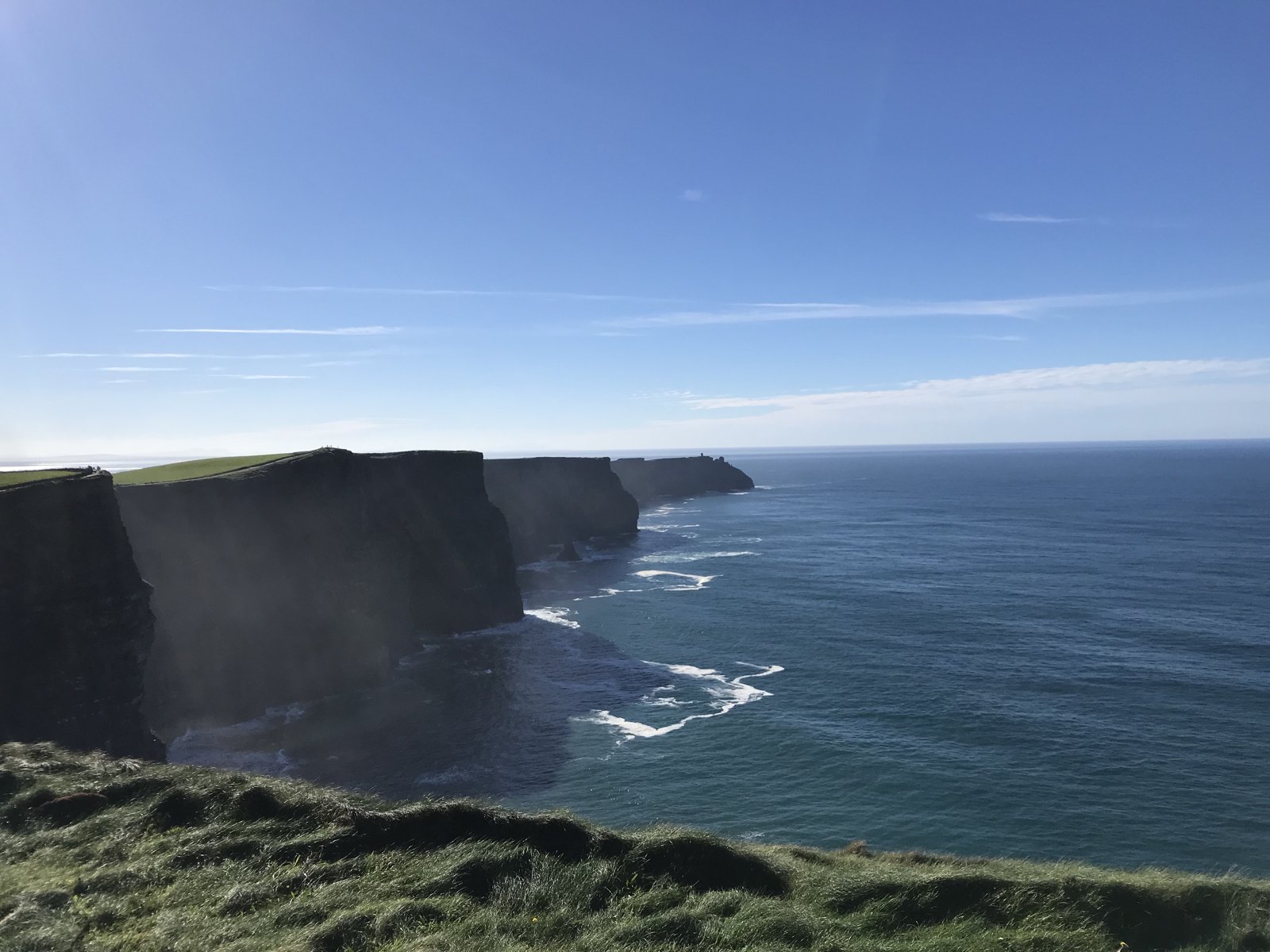
The Cliffs of Moher sit on the Atlantic coast in County Clare, while the Burren offers a different landscape of limestone, archaeology and villages. An overnight in Clare makes more sense than forcing both into a rushed detour. Check official attraction notices before travelling; do not assume the full coastal walking trail is open. Exposed paths and weather conditions may affect the visit, even when the visitor attraction is operating.
Kerry: Killarney, the Ring of Kerry or Dingle
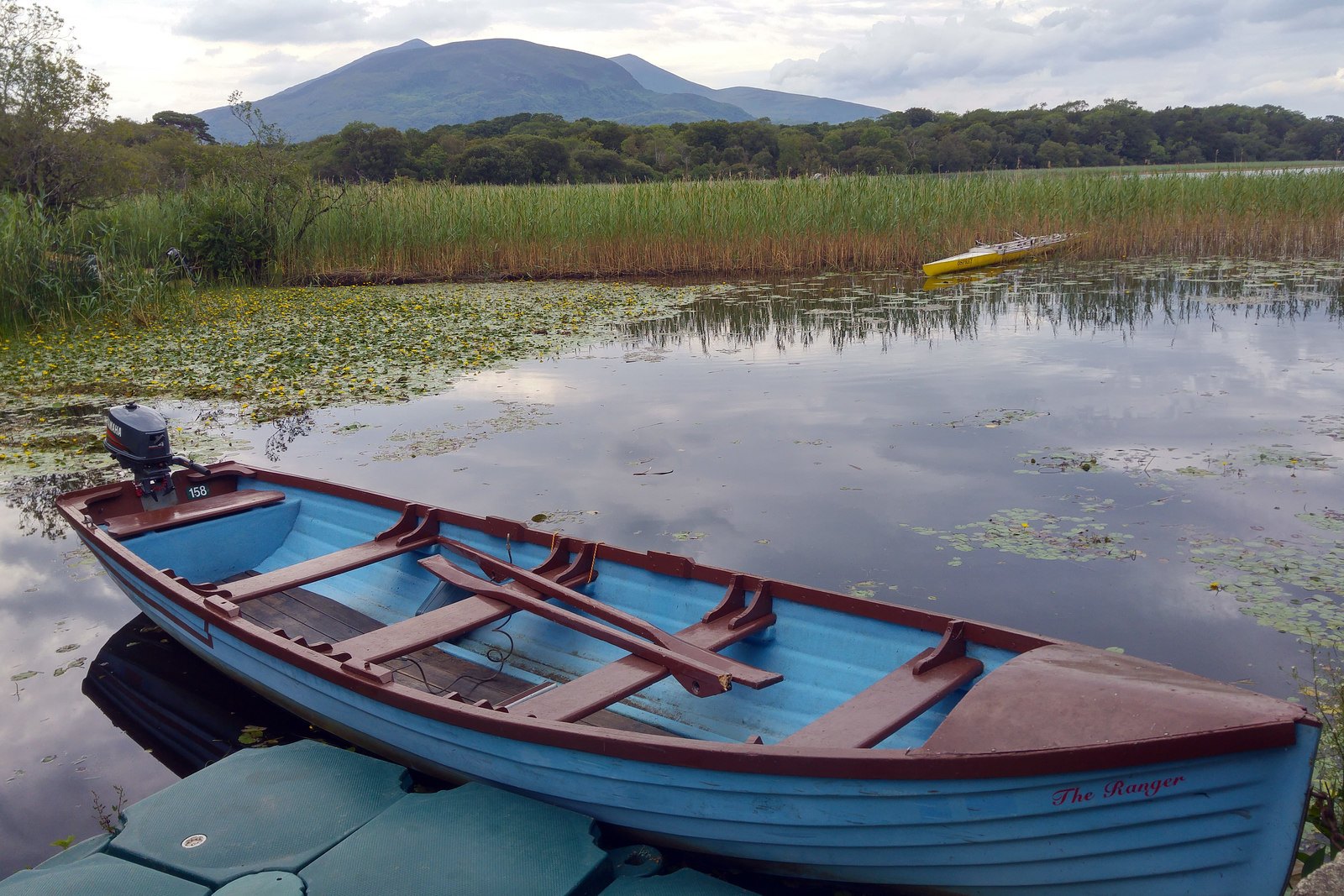
Killarney is a useful base for the national park and the Iveragh Peninsula, home to the Ring of Kerry. Dingle and Slea Head belong to a separate peninsula and should have their own day. With only two full days in Kerry, choose your priorities: one peninsula plus the lakes is more relaxed than attempting both scenic circuits and every park highlight. Extend the stay if walking, photography or leisurely lunches are central to the trip.
Belfast and the Causeway Coast: an optional northern chapter
Belfast brings a different city experience, with Titanic Belfast in the Titanic Quarter. The Giant’s Causeway on the Antrim coast needs its own touring day rather than a brief stop on the way to Galway. Book appropriate timed visits and confirm opening hours. Northern Ireland follows UK entry rules and uses sterling; adding it changes both the itinerary and the practical checks.
Private Ireland tour itineraries: 7, 10 or 12 nights
These are suggested private-vehicle routes, not guaranteed departures. The final overnight location should follow your flights. Seven nights means eight calendar days when arrival and departure days are included; ten and twelve nights mean eleven and thirteen days respectively.
7 nights: Dublin, Clare and Kerry
- 2 nights Dublin: arrive, settle in and spend the following day on city sightseeing.
- 1 night County Clare: transfer west, allowing sensible breaks; place the cliffs and Burren visit according to arrival time and weather.
- 3 nights Kerry: travel south, then use two full days for your chosen mix of national park, Ring of Kerry or Dingle.
- 1 night Dublin: allow a return travel day before departure rather than pairing a long drive with a tight flight connection.
This route involves longer transfer days. An appropriate Shannon departure can replace the final Dublin night and free time for the west, subject to flight availability.
10 nights: add Galway and Connemara
Spend 2 nights in Dublin, 3 in Galway, 1 in Clare, 3 in Kerry and 1 in Dublin. Galway’s two full days allow a Connemara outing and either more city time or an independently planned island excursion. Continue through Clare and Kerry rather than repeatedly returning to Dublin. The extra nights add depth, not simply more names to a checklist.
12 nights: an all-island journey
A possible sequence is 2 nights Dublin, 2 Belfast, 3 Galway, 1 Clare, 3 Kerry and 1 Dublin. Use Belfast’s full day for the Causeway Coast, fitting Titanic Belfast around arrival or departure only if timings work. Belfast to Galway is a significant transfer; resist adding several major visits that day. Guests wanting a full Belfast sightseeing day or slower coastal travel should add nights or omit a region.
When is the best time for an Ireland tour?
Our planning preference for a first sightseeing trip is May, June or September, balancing outdoor time with a route that does not depend on peak summer dates. July and August suit summer holidays, but popular rooms and experiences can book early. These are travel-planning recommendations, not promises of lower rates or sunshine.
Autumn and winter can suit a shorter Dublin-and-country stay with dining and indoor visits. Shorter daylight reduces the time available for rural touring, and seasonal opening hours matter. Carry layers, waterproofs and shoes with reliable grip in every season. Keep a flexible coastal day: mist, rain or strong winds can alter viewpoints, boat trips and walking plans.
Choosing hotels for a luxury Ireland holiday
Luxury is as much about location as room category. A central Dublin hotel supports evenings on foot; a countryside property may offer quieter surroundings but requires transport for dinner elsewhere. In Galway and Kerry, decide whether you want town access, lake views or a rural retreat before comparing rooms. Avoid adding an attractive hotel that creates unnecessary daily backtracking.
Request the exact room category, bed configuration, breakfast arrangements and cancellation conditions. Families should confirm connecting rooms or suitable occupancy in writing. Castle-style and historic properties can differ considerably in lifts, steps and air conditioning, so discuss practical requirements rather than assuming every luxury hotel has the same facilities.
Ireland tour prices: what a quote should include
There is no responsible single price for a private Ireland tour without dates and a defined itinerary. Hotel category, season, room count, vehicle size, driver hours and guiding all affect the total. Britatlas requests live supplier availability and prepares a tailored proposal; an enquiry is not a confirmed reservation.
- Named hotels, room categories, number of nights and meal basis.
- Airport transfers, touring days, vehicle capacity and agreed service hours.
- Which visits include admission and which require separate tickets or guides.
- Meals, drinks, gratuities, parking or other expenses not included.
- Payment currency, deposit schedule, cancellation terms and any flight exclusions.
A couple sharing a car and a larger family needing extra rooms will have different per-person costs. Share an approximate budget so the first proposal can prioritise what matters most rather than substituting lower-value locations or excessive hotel changes.
Airports, entry requirements and accessible travel
Dublin is a useful starting point, while Shannon or Cork may suit a western or southern departure. Compare actual flight schedules before fixing the route. For self-drive trips that include Northern Ireland, check the rental company’s cross-border permission and insurance terms; private touring proposals should also explicitly cover any northern extension.
The Republic of Ireland uses euros and Northern Ireland uses pounds sterling. Ireland and the UK have distinct immigration requirements. A UK or Schengen visa is not automatically permission to enter Ireland; any exceptions depend on the traveller and scheme. Check Irish entry requirements and UK visa or ETA rules for your nationality, residence and travel route before committing to non-refundable arrangements.
Tell us about mobility needs, walking tolerance, child seats and luggage before a route is proposed. Cliff paths, cobbled streets, historic buildings and rural viewpoints have different access conditions. Verify surfaces, steps, distances, accessible rooms and suitable transport with each supplier; no itinerary should assume that every stop is equally accessible.
Build your Ireland tour with Britatlas
Send your dates, guest numbers, preferred airports, hotel style and the places you most want to see. We can then match the route to your pace and check accommodation, transport and visits. If golf is part of your plans, our Ryder Cup 2027 Ireland guide explains the separate event-access considerations. For a wider trip, explore private tours in London and the UK; flights and entry requirements between destinations remain separate arrangements.
Frequently asked questions
Official planning resources
- Tourism Ireland: all-island itinerary inspiration
- Discover Ireland: Galway and Ring of Kerry
- Cliffs of Moher: current visitor and access information
- Titanic Belfast and National Trust: Giant’s Causeway
- Irish Immigration: visiting Ireland and UK government: check visa requirements
Reviewed 26 October 2026. Routes are suggestions; accommodation, admission, transport, access and entry rules must be checked for the travel dates.
Photography via Wikimedia Commons: Cliffs of Moher — Barney Murphy and Dublin — Gunnar Klack, CC BY-SA 4.0; Lough Leane — Phil Champion, CC BY-SA 2.0. Images resized; sharing rendition cropped from the same Cliffs of Moher photograph.


