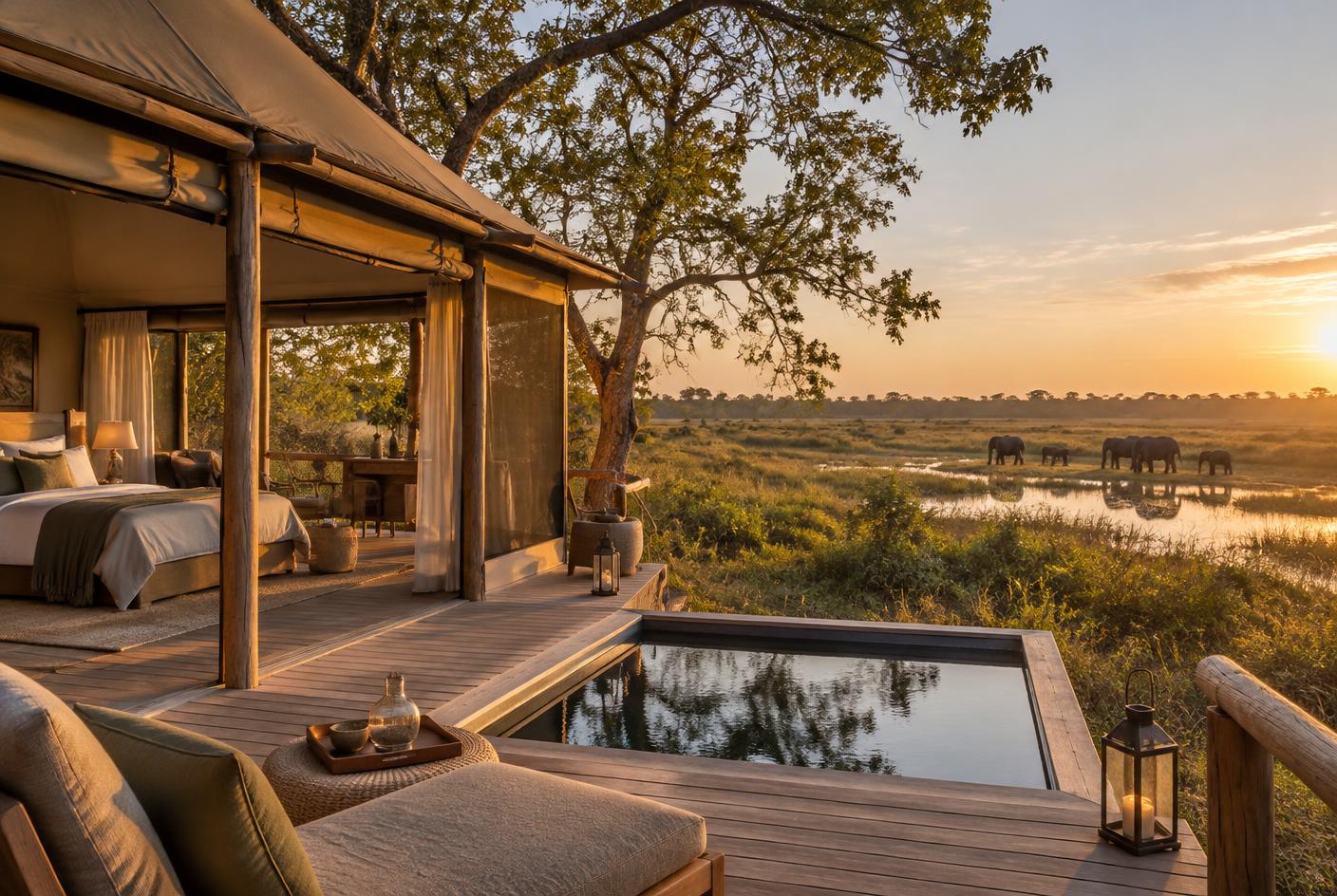
We work with private travellers, travel agencies and corporate clients booking safaris across Southern and East Africa. This page sets out the comparisons, seasonal nuance and cost bands we actually use when building an itinerary — including where claims genuinely vary year to year and should be confirmed at the time of booking rather than taken as fixed fact.
Quick answers by priority
- Widest choice, easiest first trip: Kenya or Tanzania
- Lowest vehicle density, most private: Botswana
- Easiest to combine with a city and coast break: South Africa
- Primates rather than plains game: Rwanda or Uganda
- Best value per luxury night: Zambia or Zimbabwe
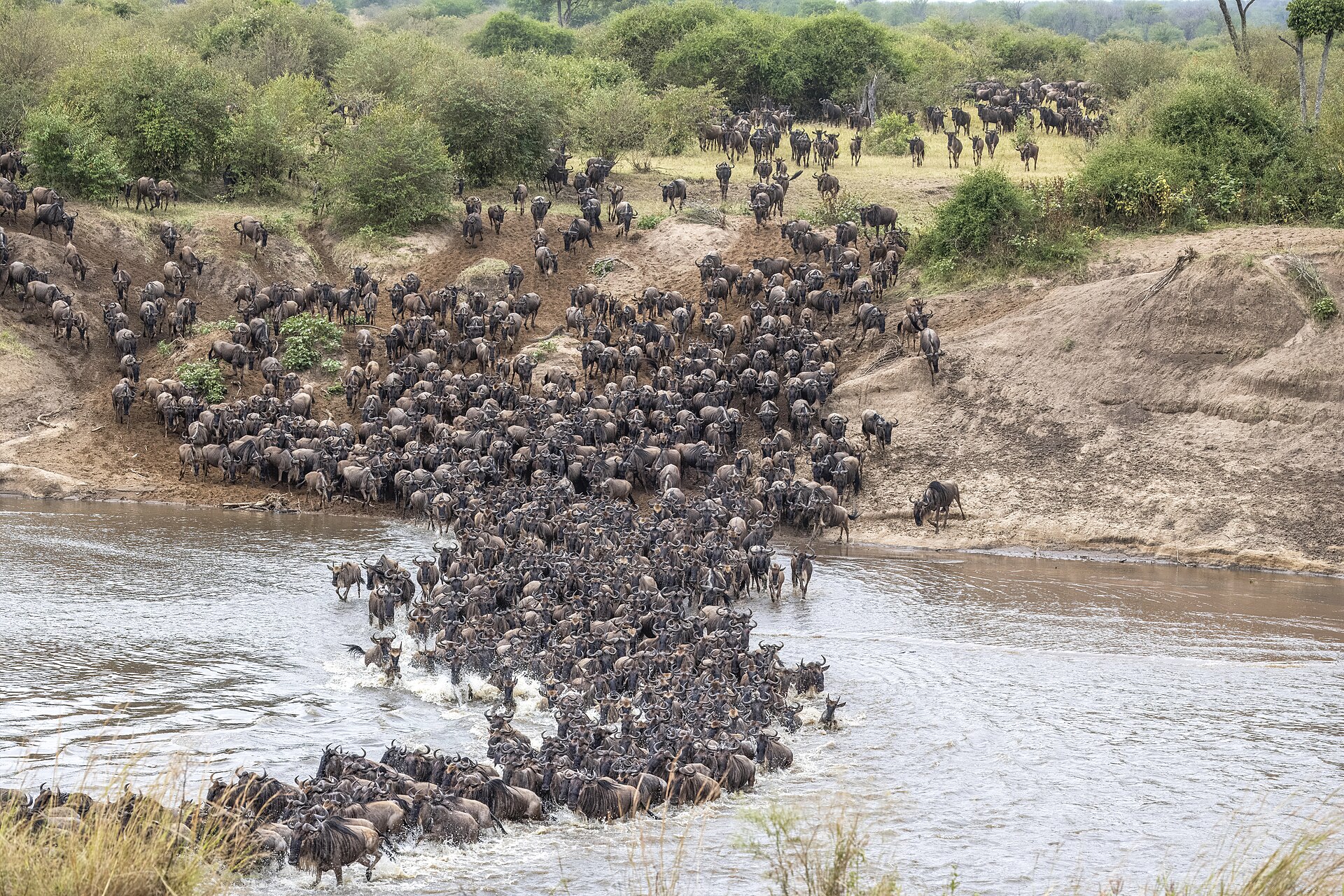
- Best for the Great Migration river crossings: Northern Serengeti (Tanzania) and Maasai Mara (Kenya), July-October
- Best for calving season and predator density: Southern Serengeti/Ndutu, January-March
Country and region comparison
Botswana — the private-concession benchmark
Botswana's safari industry is deliberately low-volume: most of the Okavango Delta, Linyanti and Kwando areas are managed as private concessions with strict guest caps, so game drives rarely mean sharing a sighting with more than one or two other vehicles. Access is almost entirely by light aircraft between camps rather than by road, which adds cost and a genuine sense of remoteness. Off-road driving, night drives and walking safaris are more widely permitted here than in most public national parks. Expect the highest price floor of the major safari countries and book flagship camps nine to twelve months ahead for peak season.
Kenya — the Maasai Mara conservancies and the migration
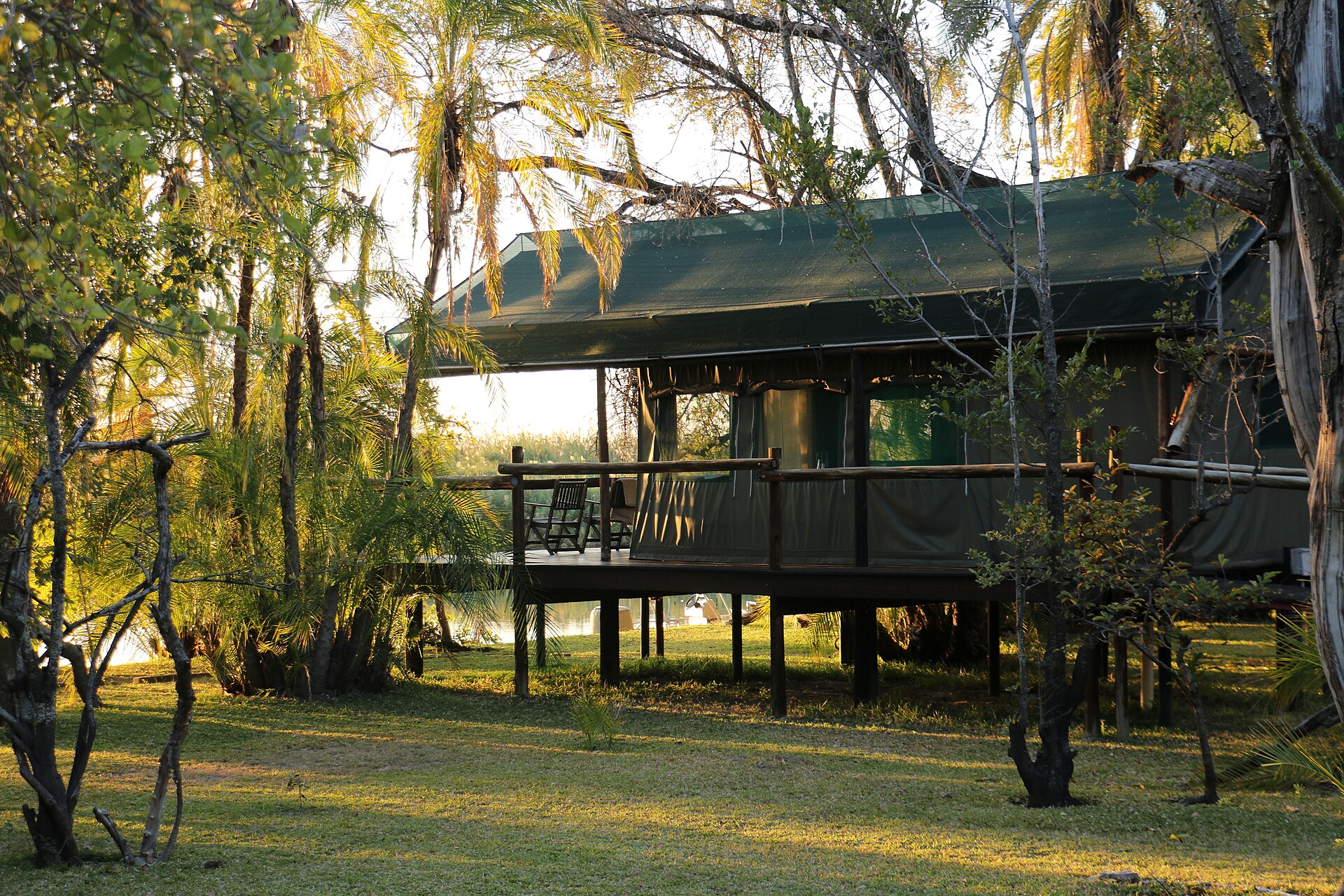
Kenya pairs the Maasai Mara National Reserve with a ring of private conservancies (Mara North, Naboisho, Olare Motorogi and others) leased from Maasai landowners, which function much like Botswana's concessions — fewer vehicles, off-road access and night drives, but adjoining the reserve rather than replacing it. This makes Kenya flexible: stay in a conservancy for exclusivity, or the reserve itself for the highest wildlife density during the migration. Nairobi's international connections also make Kenya one of the most straightforward countries to reach from Europe and North America.
Tanzania — the Serengeti-Ngorongoro circuit
Tanzania's northern circuit — Serengeti, Ngorongoro Crater, Tarangire and Lake Manyara — covers the largest single share of the Great Migration ecosystem and offers the most reliable year-round game viewing in East Africa, because the Serengeti's different zones host the migration at different times of year regardless of season. Southern Tanzania (Ruaha, Selous/Nyerere) is a genuinely different, much quieter alternative for repeat visitors who have already done the northern circuit.
South Africa — malaria-free options and the easiest add-on
Sabi Sand and other private reserves bordering Kruger National Park deliver some of the most reliable Big Five sightings on the continent, with excellent road infrastructure and, in some reserves, malaria-free options for family travel. South Africa combines naturally with Cape Town, the Winelands and the Garden Route, and typically has the shortest flight times from the UK and Europe of any major safari country.
Rwanda and Uganda — mountain gorillas, not plains game
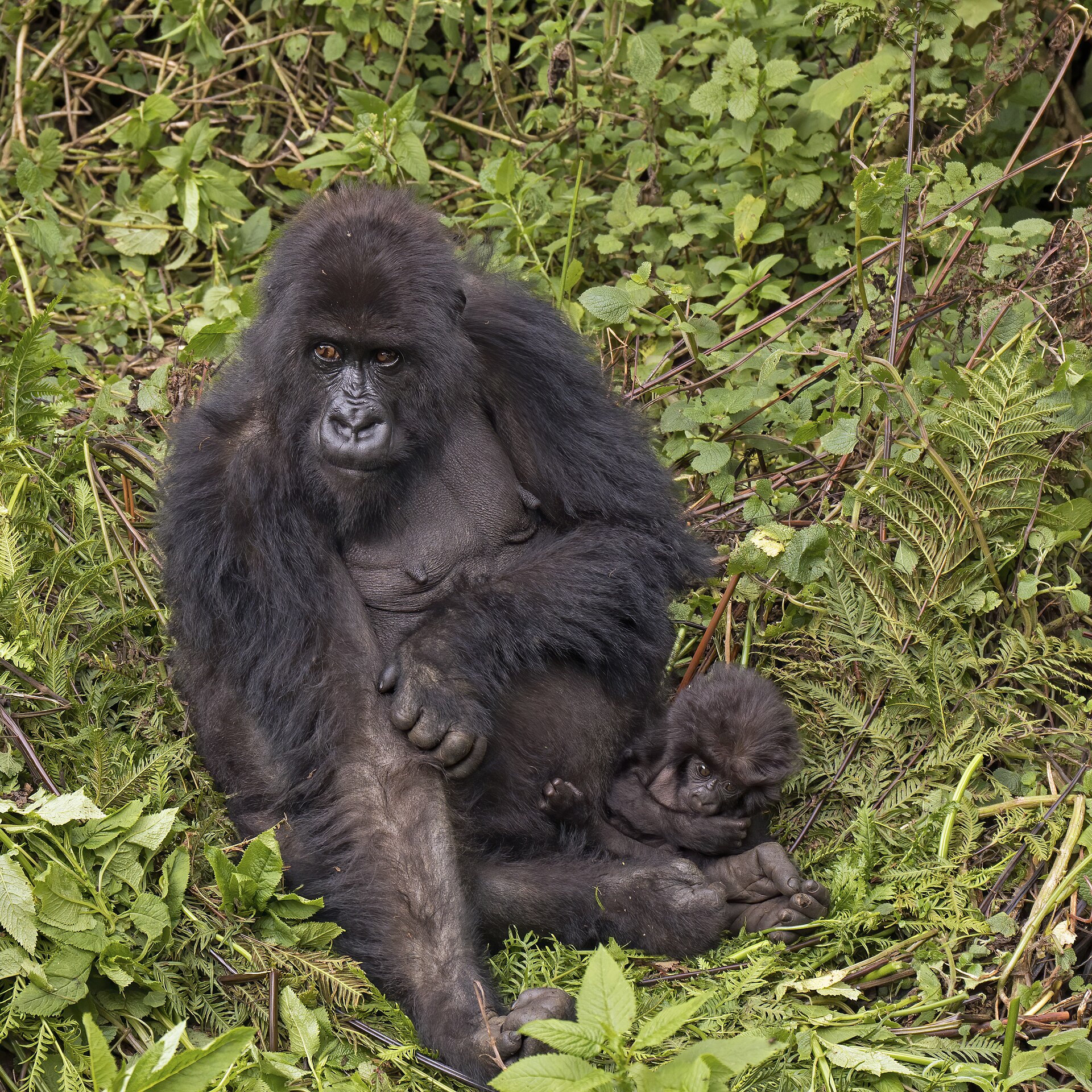
This is a fundamentally different product from a savanna safari: forest trekking to see habituated mountain gorilla families, capped at one hour of contact per group per day. Rwanda has positioned itself as the low-volume, high-yield, easy-access option from Kigali; Uganda is more biodiverse, more affordable and more rugged, with permits at roughly half Rwanda's price. Both pair naturally as a three-to-four-night add-on to a Kenya or Tanzania safari.
Zambia and Zimbabwe — walking safaris and value
The Luangwa Valley (Zambia) is where the modern walking safari originated, and South Luangwa remains one of the best places to combine walking with vehicle-based game drives. Zimbabwe's Mana Pools and Hwange offer exceptional elephant and predator viewing at a lower price point than equivalent Botswana camps, and Victoria Falls (on the Zambia/Zimbabwe border) is a natural bookend to either country's safari circuit.
Best season and the migration, honestly explained
"Best time to visit" depends entirely on what you want to see, and the Great Migration in particular is frequently oversimplified. The wildebeest and zebra herds move in a broadly circular route around the Serengeti-Mara ecosystem driven by rainfall, not a fixed calendar, so no operator can guarantee a river crossing on a specific date.
- January-March: calving season on the southern Serengeti/Ndutu plains — thousands of calves born daily and intense predator activity; one of the most reliable and dramatic phases of the migration cycle.
- April-May: long rains, lower rates, some camps close; lush landscapes and excellent photography light, but harder overland access and less predictable game viewing.
- June-early July: herds move north through central and western Serengeti; grumeti river crossings possible.
- July-October: the classic dry season and the strongest window for Mara River crossings in the northern Serengeti and Maasai Mara — also the busiest and most expensive months, so book flagship camps six to twelve months ahead.
- November-December: short rains, herds begin drifting south again; a good shoulder-season value window for East Africa.
Outside the migration ecosystem, Botswana's Okavango Delta floods between roughly June and September, concentrating wildlife around permanent water and making this the peak season there — broadly the opposite pattern from expecting a single "best time for Africa." Always ask what specifically will be at its best for your dates and chosen country, rather than relying on a single blanket answer.
Private concessions vs national parks
Both are legitimate, and the right answer depends on priorities and budget rather than one format being objectively superior:
- Private concessions/conservancies (common in Botswana, Kenya's Mara conservancies, parts of Zimbabwe): guest numbers are capped, vehicles per sighting are limited, and guides can typically go off-road, run night drives and offer walking safaris. Lodges are smaller and pricier, and access is often fly-in only.
- National parks and public reserves (Serengeti, Maasai Mara Reserve itself, Kruger, Chobe): lower cost, wider choice of accommodation at every budget level, and still world-class wildlife density — but vehicle numbers at a good sighting can be higher, and off-road driving and night drives are usually restricted or prohibited.
Indicative 2026/2027 cost bands
These are planning bands based on current published rack rates and operator pricing at the time of writing, not fixed quotes — camp, season, currency movements and exchange rates all move these numbers, so treat this as a starting point and ask Britatlas to confirm current rates for your specific dates:
- USD ~700-1,000 per person per night: entry-luxury, all-inclusive tented camps and lodges — Kenya conservancies, Serengeti mid-tier camps, Zambia and Zimbabwe.
- USD ~1,100-2,200 per person per night: classic luxury lodges and flagship brands (Singita, andBeyond, Wilderness) — most countries, most seasons.
- USD ~2,200-4,000+ per person per night: ultra-exclusive camps and Botswana's premier private concessions in peak season, plus premium suites at flagship East African lodges over Christmas/New Year and peak migration weeks.
- A full 7-10 night trip: roughly USD 8,000-28,000 per person all-in on the ground (accommodation, meals, drinks, game drives, light-aircraft transfers, park fees), before international flights, tips and premium spirits.
- Gorilla permits (add-on): USD 800 per person in Uganda, USD 1,500 per person in Rwanda, set by the respective government wildlife authorities and subject to change without notice.
Caveat: lodge rack rates, wildlife/conservation fees and government levies are revised annually (often each January), and currency swings between the US dollar, South African rand and East African shillings can materially change a quote. Botswana and East African high-end camps frequently sell out 9-12 months ahead of the July-October and December-January peaks — the price band above assumes availability at that lead time, not last-minute booking.
Fly-in logistics that shape every itinerary
- Most multi-camp luxury safaris move between camps by light aircraft (typically 6-14 seats), not by road — this is standard in Botswana and common in Kenya, Tanzania and Zambia once you leave the main circuit towns.
- Light-aircraft baggage allowances are strict, usually 15-20kg total in soft-sided bags only — pack accordingly, since this differs sharply from international flight allowances.
- Scheduled shared-charter flights are cheaper but fix your departure times around other passengers; private charters cost more but keep full control of the day.
- Bush flights only operate in daylight, so a late international arrival often means one night near the gateway airport (Nairobi, Maun, Kilimanjaro/Arusha, Kigali) before flying on to camp the next morning.
Visas and health: check current guidance before booking
Entry requirements vary by nationality and change without warning, so always confirm directly with the official immigration authority for each country on your route before booking flights — Tanzania's official eVisa portal and Kenya's official eTA/eVisa system are the primary sources, not third-party blogs. Yellow fever vaccination and malaria prophylaxis requirements also vary by country and by which regions you visit within a country (for example, malaria-free reserves exist in parts of South Africa); check current guidance from your own government's travel health service or a travel clinic ahead of departure, as these are health matters Britatlas does not advise on directly.
Families, honeymoons and accessibility
- Families: minimum ages for game drives vary widely by camp — some premier Botswana concessions set a minimum of 6-12 years, while many Kenyan, Tanzanian and South African family lodges run dedicated kids' programmes with no minimum age and family suites or two-bedroom units. Malaria-free reserves in parts of South Africa are worth considering with younger children. Always confirm the specific camp's policy rather than assuming.
- Honeymoons: adults-only or adult-oriented camps are common in Botswana's private concessions and at flagship lodges across East and Southern Africa; private vehicle and guide throughout, sundowner setups and private dining are the honeymoon upgrades worth prioritising over the marginal cost of a bigger suite.
- Accessibility: camp design varies enormously — some tented camps involve raised wooden walkways and steps, while others are single-level with paved paths. Vehicle types (open 4x4 vs modified access vehicles) also differ by camp. Gorilla trekking has a strict minimum age of 15 in both Rwanda and Uganda and requires a reasonable level of fitness for uneven forest terrain. Britatlas checks accessibility camp by camp against specific needs before confirming a booking.
Conservation and ethical wildlife guidance
- Favour camps and concessions that publish clear conservation fees or levies reinvested in habitat and anti-poaching work — most premier Botswana and East African lodges itemise a wildlife or conservation fee separately from the room rate; ask what it funds.
- Community-owned conservancies (Kenya's Mara conservancies, Namibia's communal conservancies, Zimbabwe's CAMPFIRE-linked concessions) put land-lease income directly into local communities, which is a meaningful factor if ethical impact matters to your choice.
- Gorilla permit revenue is a primary funding source for mountain gorilla conservation in both Rwanda and Uganda — a material part of why permits cost what they do, beyond simply capping visitor numbers.
- Avoid operations offering hands-on contact with wild predators, lion cub "walks," or elephant-back riding — reputable safari operators and most national conservation bodies now advise against these as unsupported by genuine conservation practice.
- Ask your operator directly what proportion of your camp fee supports conservation and community programmes — reputable lodges answer this specifically rather than in generalities.
Book a luxury safari with Britatlas DMC
Britatlas DMC builds tailor-made safari itineraries for private travellers, travel agencies and corporate clients across Botswana, Kenya, Tanzania, South Africa, Rwanda, Uganda, Zambia and Zimbabwe:
- Country and camp selection matched to your season, budget and priorities.
- Private concession and national park combinations, correctly sequenced.
- Light-aircraft and road transfers booked and timed against international flight schedules.
- Gorilla and chimpanzee permits secured in advance for Rwanda and Uganda.
- Family, honeymoon and accessibility requirements checked camp by camp before confirmation.
- Current visa and entry-requirement guidance sourced from official government portals for your nationality and route.
- Multi-country combinations — safari plus Cape Town, Victoria Falls, Zanzibar or the Indian Ocean.
Tell us your travel dates, countries of interest, party composition and budget range below. We reply within one business day with a shortlist of matched camps, realistic seasonal expectations and a fully costed itinerary.
Considering a restorative island stay after the safari? Compare the options in our Sun Siyam Maldives resort guide.
Frequently asked questions
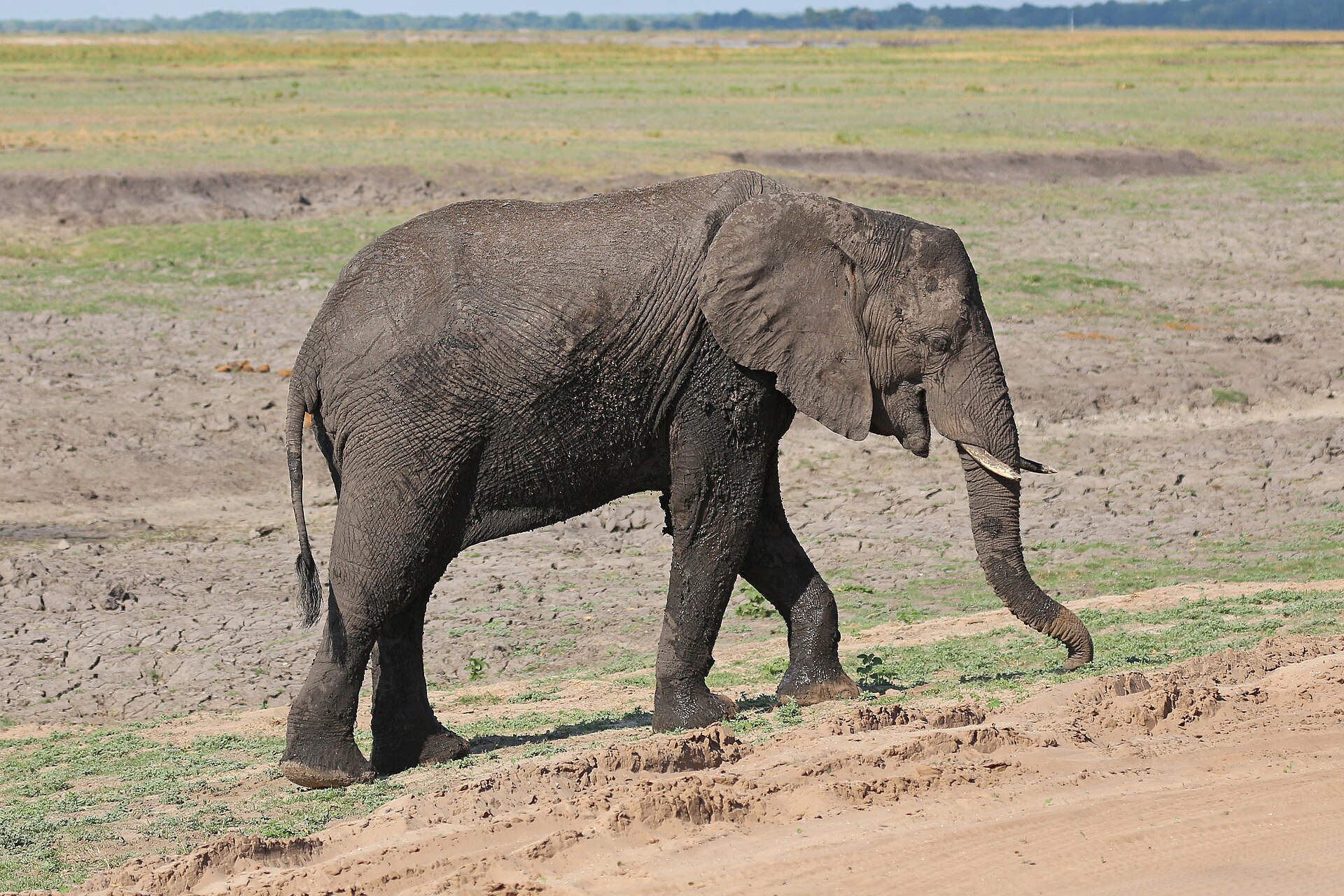
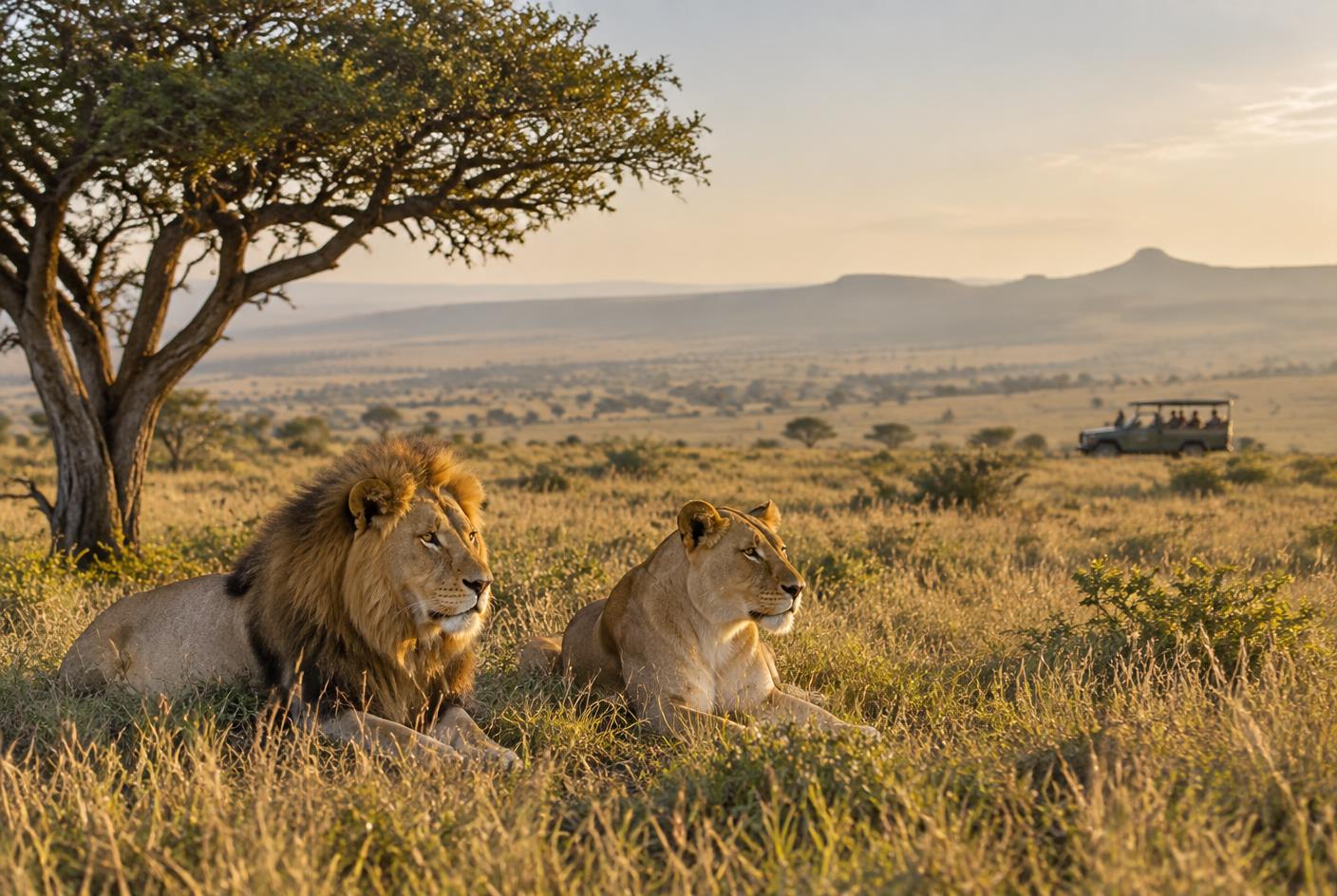
Photography via Wikimedia Commons (CC BY-SA, Charlesjsharp) and Britatlas media. Cost bands, permit fees, season patterns and migration timing are indicative, sourced from currently published rack rates and official wildlife authorities at the time of writing, and change by camp, season and government policy — all figures are confirmed at the time of quotation.